Corbets Tey Garden Maintenance Guide for Terrace Homes
Terrace gardens can be wonderful little spaces, but they can also be awkward, narrow, overlooked, shaded, and oddly easy to neglect. If you live in or around Corbets Tey and want a practical Corbets Tey garden maintenance guide for terrace homes, you are in the right place. This guide focuses on what actually matters in a compact outdoor space: keeping it tidy, healthy, usable, and not a constant weekend headache.
To be fair, terrace gardens rarely behave like the neat examples you see in magazines. They trap damp, collect leaves, and seem to grow weeds faster than anything else on the street. But with the right routine, a small garden can feel calm and looked after rather than cramped and messy. Below, you will find a clear, local-minded approach that covers seasonal care, practical steps, common mistakes, and when it makes sense to get help from professional garden maintenance services or broader garden services.
Contents
- Why Corbets Tey garden maintenance guide for terrace homes Matters
- How Corbets Tey garden maintenance guide for terrace homes Works
- Key Benefits and Practical Advantages
- Who This Is For and When It Makes Sense
- Step-by-Step Guidance
- Expert Tips for Better Results
- Common Mistakes to Avoid
- Tools, Resources and Recommendations
- Law, Compliance, Standards, or Best Practice
- Options, Methods, or Comparison Table
- Case Study or Real-World Example
- Practical Checklist
- Conclusion
- Frequently Asked Questions
Why Corbets Tey garden maintenance guide for terrace homes Matters
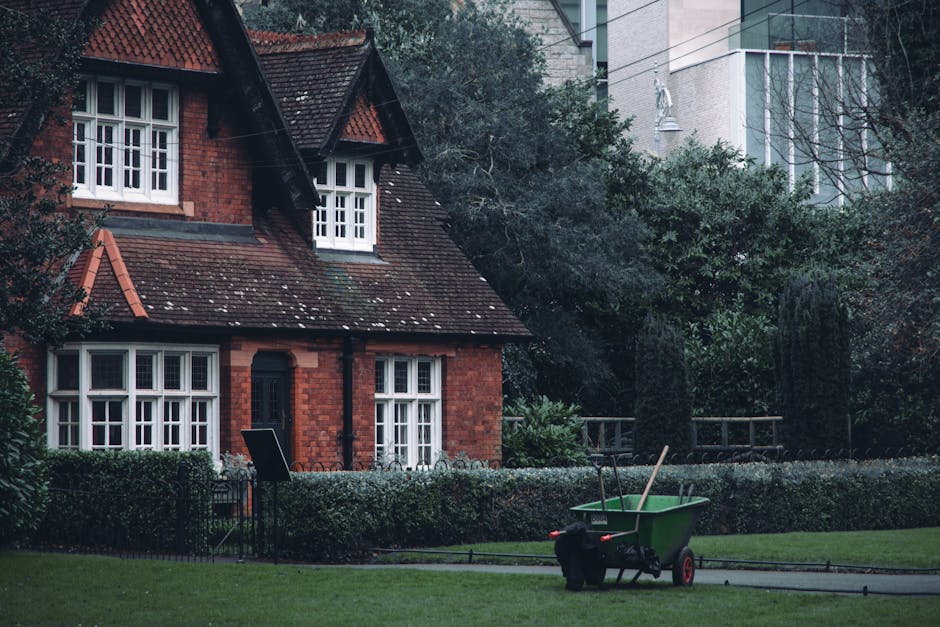
Terrace homes usually come with gardens that are small, enclosed, and exposed to more than their fair share of wear. A side return, a back yard, or a compact rear garden can look fine for a while, then suddenly feel like it has run away with itself. One weekend of rain, a few windy days, and the whole place can start looking tired.
That is why a reliable maintenance routine matters. In terrace gardens, small problems become obvious quickly. A mossy path is slippery. A hedge that was "fine last month" can block light from the kitchen. A patch of compacted soil can leave plants sulking. Truth be told, the size of the space does not make the work smaller; it simply makes every detail more noticeable.
Corbets Tey sits in a part of Essex where homes often balance suburban comfort with the realities of a busy climate: shade from neighbouring properties, wind exposure, seasonal leaf fall, and hard surfaces that need regular cleaning. Terrace gardens here tend to benefit from simple, consistent upkeep rather than big once-a-year clearances. That is the real point of this guide: steady maintenance beats dramatic rescue jobs most of the time.
It also matters from a lifestyle angle. A tidy garden gives you a place to sit outside with tea, hang washing, keep children safe, or simply open the back door without seeing a mess. Small space, big impact. And yes, even a narrow terrace can feel inviting if it is looked after properly.
How Corbets Tey garden maintenance guide for terrace homes Works
The best way to think about terrace garden maintenance is as a cycle, not a single task. You are not just mowing, trimming, or sweeping. You are keeping the space in balance so plants, paving, drainage, and access all work together. In a terrace home, that balance matters because you usually have less room to hide a problem.
Most maintenance follows a few recurring tasks:
- keeping paths, patios, and access routes clear
- cutting grass or groundcover before it becomes untidy
- trimming hedges and shrubs so they do not overwhelm the plot
- removing weeds before roots establish properly
- managing leaf litter and moss build-up
- checking pots, beds, and borders for dryness or poor drainage
In a terrace setting, maintenance often has to be lighter but more frequent. That is the part people sometimes miss. A quick tidy every week or two can be more effective than waiting until the garden feels unmanageable. You know that moment when a space crosses the line from "slightly messy" to "ugh, I'll do it next weekend"? Better to stay ahead of that.
If the garden includes taller hedging, stubborn shrubs, old fencing, or areas that need reshaping, maintenance may also overlap with hedge trimming, lawn mowing, or even garden clearance if the space has been left for a while. The right approach depends on the condition of the garden, not just its size.
Key Benefits and Practical Advantages
A well-maintained terrace garden is not just nicer to look at. It is easier to use, safer to move through, and far less stressful to keep on top of. That sounds simple, but it makes a real difference in daily life.
- Better use of small space: Clear lines, tidy planting, and defined zones make a small garden feel larger.
- Healthier planting: Regular pruning, feeding, and watering prevent plants from becoming weak or overcrowded.
- Lower risk of slips and trip hazards: Moss, leaves, loose pots, and broken edges become less of a problem.
- More privacy and comfort: Well-managed hedges and shrubs help create a calmer space.
- Less costly catch-up work: Small jobs handled regularly are usually easier than major recovery work.
- Better first impression: If your rear garden is visible from the house, tidiness affects how the whole property feels.
There is also a practical money point here, although nobody likes to say it too loudly. Regular maintenance often helps avoid bigger jobs later, especially where weeds, overgrowth, drainage issues, or damaged planting beds are concerned. In terrace homes, neglect has a habit of spreading quickly from one corner to the rest of the garden. A little attention goes a long way.
Who This Is For and When It Makes Sense
This guide is most useful if you live in a terrace home with a modest front or rear garden and want to keep it manageable without turning every weekend into a project. It is also a good fit if you have inherited an overgrown space and want to restore it slowly, sensibly, and without overcomplicating things.
You may need this approach if:
- your garden is narrow and hard to access with larger equipment
- your plants get shaded by walls, fences, or neighbouring buildings
- you share boundary lines close to other homes
- you want the space to look neat for family use or entertaining
- you do not want maintenance to become a burden
It also makes sense for homeowners who are comparing routine upkeep with occasional heavier work. Some gardens only need ongoing tidying. Others need a proper reset first, then steady maintenance afterwards. If the plot is crowded, tangled, or full of old clippings and debris, starting with garden clearance can make the whole job far more realistic. You cannot maintain a space that cannot be reached, after all.
For anyone who wants a broader landscape refresh, there may also be a case for landscape gardening or general landscaping, especially if the terrace garden layout itself is part of the problem.
Step-by-Step Guidance
Here is a practical way to maintain a terrace garden without making it feel like a constant chore. This method is simple, but it works. Nothing fancy. Just consistent, sensible care.
- Start with a proper walk-through. Look at the whole space before picking up tools. Notice where water gathers, where weeds grow fastest, and which parts feel cluttered.
- Clear the obvious debris first. Pick up fallen leaves, branches, broken pots, and anything that blocks access. This gives you room to work and a better sense of what needs attention.
- Tackle weeds early. Pull them out before they seed or spread through paving cracks and borders. In small gardens, a few weeds can dominate fast.
- Trim back overgrowth. Cut hedges, shrubs, and climbers so they stay in proportion to the space. Letting them run wild makes the garden feel tighter than it is.
- Refresh lawns or groundcover. If your terrace garden has grass, keep mowing heights sensible and avoid cutting too short. If it is mostly paving or beds, check for bare patches and thin growth.
- Check drainage and moisture. Terrace gardens can sit wet after rain or dry out quickly in pots. Adjust watering and keep an eye on pooling water near walls or steps.
- Finish with edging and a clean surface. A neat border, swept path, and tidy patio can transform the feel of the whole garden. It is a small detail, but it matters.
If you prefer a schedule, here is a straightforward rhythm that suits many terrace homes:
- Weekly: quick sweep, weed check, watering, general tidy-up
- Fortnightly: grass cutting, light pruning, pot rotation, leaf removal
- Monthly: deeper tidy, border inspection, deadheading, check for pests or disease
- Seasonally: stronger pruning, planting changes, soil improvement, structural clean-up
That rhythm keeps things from snowballing. And yes, some weeks will slip. Life happens. But if you return to the routine, the garden stays on your side rather than the other way around.
Expert Tips for Better Results
There are a few small habits that make terrace garden maintenance much easier. These are the kinds of things experienced gardeners notice straight away, often because the same mistakes keep coming back.
- Work from the back to the front. This stops you stepping over already-cleared areas and dragging debris back into tidy sections.
- Use vertical space wisely. Terrace gardens often benefit from wall planters, climbers, and shelves rather than lots of bulky ground planting.
- Do not overplant. A cramped terrace can quickly become a maintenance burden if every square metre is packed with pots and shrubs.
- Choose plants for the light you actually have. A shady north-facing yard and a sunny south-facing patio are not the same job at all.
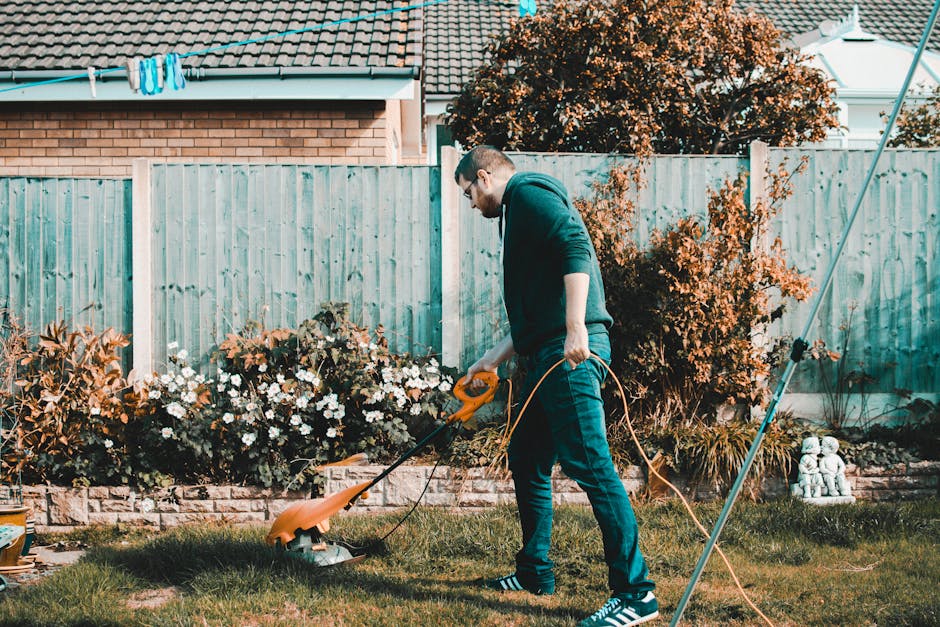
- Keep tools to hand. A small hand fork, sharp secateurs, a stiff broom, and a lightweight mower cover more jobs than people expect.
- Leave some breathing room. Empty space is not wasted space. It gives a garden shape, and it makes cleaning much easier.
A useful local-minded tip: in tightly packed terrace streets, boundary hedges and rear garden growth can affect neighbours more quickly than you think. A shrub that is merely "a bit enthusiastic" on your side can feel very different from next door. Keeping edges in check avoids unnecessary friction. Nobody wants that awkward fence-line conversation on a damp Tuesday morning.
If trees are contributing to shade, leaf fall, or root competition, it may be worth looking at tree lopping and removal where appropriate and lawful. Not every tree needs action, of course, but a poorly placed one can shape the whole maintenance plan.
Common Mistakes to Avoid
Most terrace garden problems are not caused by one big failure. They come from lots of small habits that build up over time. Here are the big ones to watch out for.
- Leaving maintenance until the space is overrun. Then the job becomes slower, heavier, and more expensive.
- Cutting everything too hard. Over-pruning can shock plants, especially in compact gardens where they are already under stress.
- Ignoring drainage. Pooled water around patios, steps, or borders can lead to moss, rot, and ugly staining.
- Using the wrong tools for tight spaces. Big equipment is not always better. Sometimes it just gets in the way.
- Forgetting seasonal changes. A terrace garden in winter behaves very differently from one in late spring. Plants, watering, and debris all shift.
- Creating clutter with too many containers. A few well-chosen pots look smart. A forest of them, not so much.
One more thing: do not mistake a quick tidy for long-term care. A garden can look presentable for a day and still be heading towards trouble. If you have ever cut the tops off weeds and told yourself it counts, well, we have all been there. It does not really count.
Tools, Resources and Recommendations
You do not need a van full of gear to maintain a terrace garden. In fact, too many tools can make a small space harder to work in. A sensible kit is usually better.
| Tool or Item | Why It Helps | Best Use in a Terrace Garden |
|---|---|---|
| Hand fork and trowel | Useful for weeds, planting, and loosening compacted soil | Small borders, pots, and tight corners |
| Secateurs | Give clean cuts for stems and light pruning | Shrubs, climbers, deadheading, and detail work |
| Lightweight mower | Easier to store and manoeuvre | Compact lawns or small strips of grass |
| Stiff broom | Fast cleaning for patios and paths | Daily or weekly surface tidy-ups |
| Watering can or hose with control | Better for precise watering than guesswork | Pots, hanging containers, and dry corners |
| Gloves and eye protection | Basic protection for pruning and clearance tasks | Any job involving cutting or debris removal |
For more complex work, people often pair maintenance with ongoing lawn mowing or scheduled hedge trimming. If the space has become too untidy to manage properly, a one-off reset followed by regular upkeep usually gives the best result.
If you are considering a more polished outdoor finish, especially around patios or seating areas, decking services may also be worth exploring as part of a wider garden improvement plan. A terrace garden can feel very different once the surfaces and planting work together.
Law, Compliance, Standards, or Best Practice
For most homeowners, terrace garden maintenance is straightforward, but a few best-practice points are worth keeping in mind. This is especially true where boundaries, waste, tools, and safety are involved.
First, you should be mindful of overhanging branches, hedge boundaries, and neighbouring access. In practical terms, that means keeping growth trimmed back so it does not obstruct paths or create avoidable disputes. If trees or larger branches are involved, it is sensible to approach the work carefully and within your ability. Risky pruning is not a hobby worth learning the hard way.
Second, garden waste should be handled properly. Clippings, soil, old containers, and timber all need sorting sensibly. Responsible disposal and reuse support a cleaner garden and a cleaner job overall. If a garden is being stripped back, a service with a good recycling approach can make the process simpler. You can read more about that philosophy through the site's recycling and sustainability information.
Third, safety matters. Pruners, saws, ladders, and powered tools all deserve respect. Use the right equipment, keep the work area clear, and avoid rushing. If a job feels beyond a quick tidy, it probably is. There is no medal for finishing a garden job with a wobble and a scratched shin.
It is also sensible to understand service terms, payments, and expectations before booking help. If you are arranging work, pages like payment and security, terms and conditions, and insurance and safety can help set expectations clearly. That is good practice for any homeowner hiring external support.
Options, Methods, or Comparison Table
There is no single correct way to maintain a terrace garden. The right method depends on how much time you have, how overgrown the space is, and how much of the work you want to handle yourself. Here is a simple comparison.
| Approach | Best For | Pros | Drawbacks |
|---|---|---|---|
| Weekly DIY maintenance | Small, tidy terrace gardens | Low cost, flexible, easy to stay ahead | Needs discipline; easy to skip |
| Monthly tidy with seasonal deep clean | Light-use gardens or busy households | Manageable, simple routine | Can allow weeds or growth to build up between visits |
| Professional ongoing maintenance | Owners who want consistency and less effort | Reliable finish, expert care, less stress | Higher ongoing spend than DIY |
| One-off clearance then upkeep | Overgrown or neglected terrace gardens | Fast reset, easier to maintain afterwards | Heavy initial work required |
For many terrace homes, the most realistic route is a hybrid one: do small weekly jobs yourself, then bring in help for heavier tasks or occasional resets. That keeps costs reasonable without letting the garden slide. It is not glamorous, but it is effective.
Case Study or Real-World Example
Imagine a typical terrace home in Corbets Tey with a rear garden roughly divided into three parts: a paved area near the house, a narrow strip of lawn, and a back border with hedging and a couple of climbers. Nothing huge. Nothing dramatic. Just a space that had quietly got out of hand over a few months.
At first glance, the problems are minor: weeds in the paving, a patchy lawn, some tired shrubs, and a hedge that now takes away more light than it should. But once the first tidy-up starts, the full picture appears. There is moss under the bins, dead foliage in the border, and a drain that is half hidden by leaves. Classic terrace garden stuff.
The fix is not to rip everything out. It is to reset the space carefully:
- clear debris and unwanted waste
- reduce the hedge to a sensible height
- cut the lawn, edge the borders, and remove dead growth
- clean the paving and check for poor drainage
- re-space pots so the garden feels open again
After that, the garden becomes easier to look after. The owner does not need a massive weekly effort. Just short, regular maintenance. A few minutes here, an hour there. The whole place feels lighter, calmer, more usable. It sounds small, but it makes a real difference when you open the back door on a wet morning.
Practical Checklist
Use this checklist to keep your terrace garden in good shape through the year.
- Remove leaves, fallen twigs, and loose debris
- Check for weeds in beds, paving cracks, and around edges
- Trim hedges, climbers, and shrubs before they crowd the space
- Mow or tidy grass before it becomes uneven
- Water pots and borders according to weather and soil conditions
- Inspect for moss, slippery surfaces, or pooling water
- Deadhead flowers and remove tired planting
- Keep paths, steps, and access routes clear
- Sort and dispose of green waste responsibly
- Book heavier work early if the garden is getting beyond a quick tidy
Quick reminder: in a terrace garden, small jobs matter more than you think. Let them slide, and the space quietly takes over your weekend.
Get a free quote today and see how much you can save.
Conclusion
A terrace garden does not need to be large to be rewarding. In Corbets Tey, the smartest approach is usually a steady one: keep on top of weeds, stay ahead of overgrowth, tidy the surfaces, and make sure the layout works for how you actually live. That is what turns a cramped back garden into a space you can enjoy rather than avoid.
If your terrace home garden only needs a light routine, great. If it needs a reset first, that is fine too. Start where you are, not where you think you should be. The garden does not need perfection. It needs attention, consistency, and a bit of care. Honestly, that is enough more often than people realise.
And when you finally step outside and see the space looking neat, open, and easy to enjoy, it feels good. Properly good.
Frequently Asked Questions
How often should a terrace garden be maintained?
Most terrace gardens benefit from light weekly attention, with slightly deeper tidying every two to four weeks depending on growth, weather, and how much you use the space.
What is the best way to maintain a small terrace garden?
The best approach is to keep things simple: sweep regularly, remove weeds early, trim plants before they spread, and avoid overcrowding the garden with too many pots or bulky features.
Do terrace gardens need professional maintenance?
Not always. Many homeowners can handle the basics themselves. Professional help makes more sense if the garden is overgrown, awkward to access, or needs regular shaping and upkeep.
What should I do if my terrace garden has become overgrown?
Start with a clearance of debris, weeds, and dead growth, then cut back the worst of the overgrowth. Once the space is reachable again, a routine becomes much easier to keep.
Are terrace gardens harder to care for than larger gardens?
In some ways, yes. Small gardens need less physical space to manage, but every issue shows up quickly. A little neglect can make them feel cluttered faster than a larger plot.
How can I make a narrow terrace garden look bigger?
Keep sightlines open, use vertical planting carefully, avoid too much clutter, and define clear zones. A neat border and uncluttered paving can make a surprising difference.
What garden tasks matter most in wet weather?
Drainage, moss control, leaf removal, and slip prevention matter most. Wet conditions can make patios and paths hazardous if they are not cleaned and checked regularly.
When is the best time to trim hedges or shrubs in a terrace garden?
It depends on the plant type, but light shaping during the growing season and more substantial pruning at suitable times of year usually works best. Avoid heavy cutting if you are unsure.
Can I combine garden maintenance with landscaping work?
Yes. Maintenance and landscaping often overlap, especially if the garden needs a layout refresh, better planting structure, or improved surfaces as part of the longer-term plan.
How do I know if I need garden clearance instead of maintenance?
If the garden is hard to access, heavily cluttered, or full of unmanaged growth, clearance is usually the better first step. Maintenance works best once the space is already under control.
What is the biggest mistake people make with terrace home gardens?
The biggest mistake is waiting too long. Terrace gardens are small enough that weeds, moss, and overgrowth can take hold quickly, so regular attention is far more effective than big catch-up jobs.
Where can I find more information about your approach to garden care?
You can explore the company's general about us page, review the wider services overview, or read the garden maintenance page for a fuller picture of the service approach.
How do I get started if I want help with my terrace garden?
The simplest next step is to outline what the garden needs, note any access issues or problem areas, and then speak to a local team through the contact us page. A clear brief usually leads to a smoother, more accurate quote.